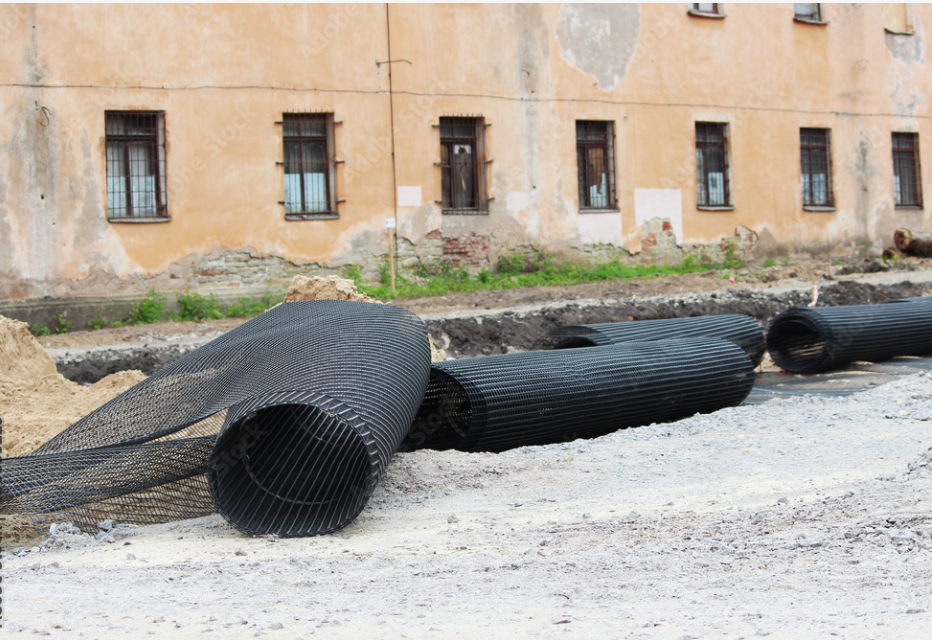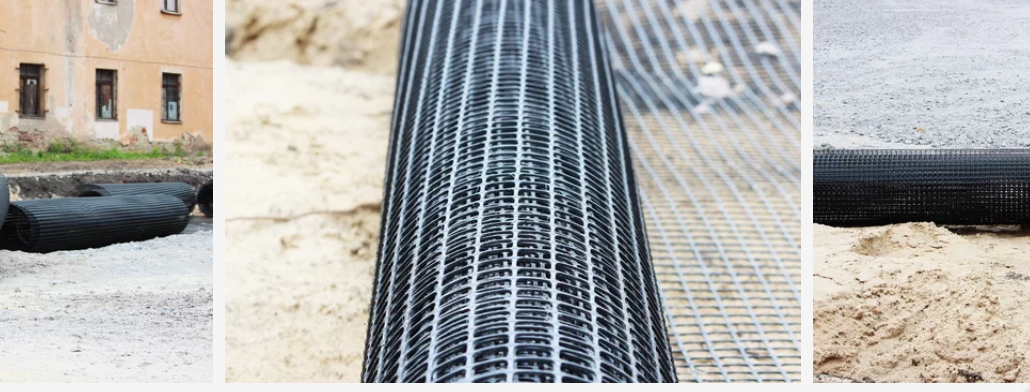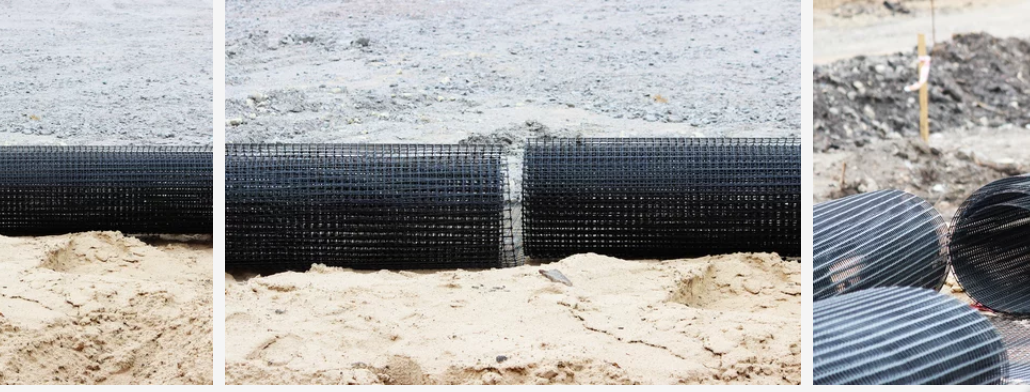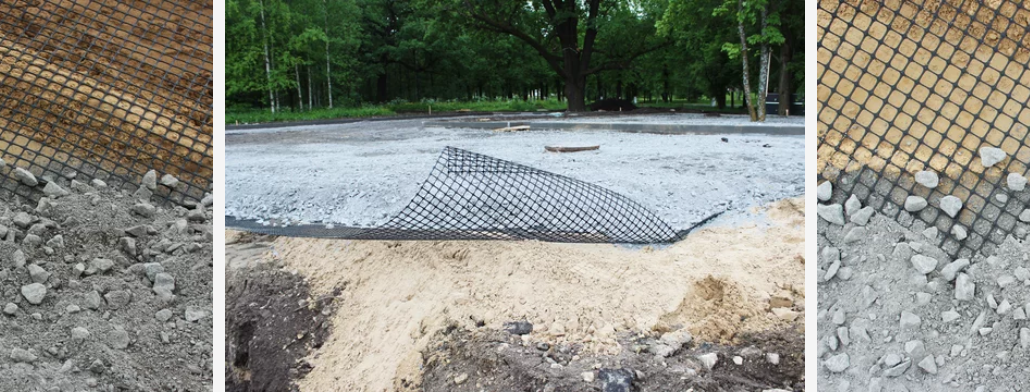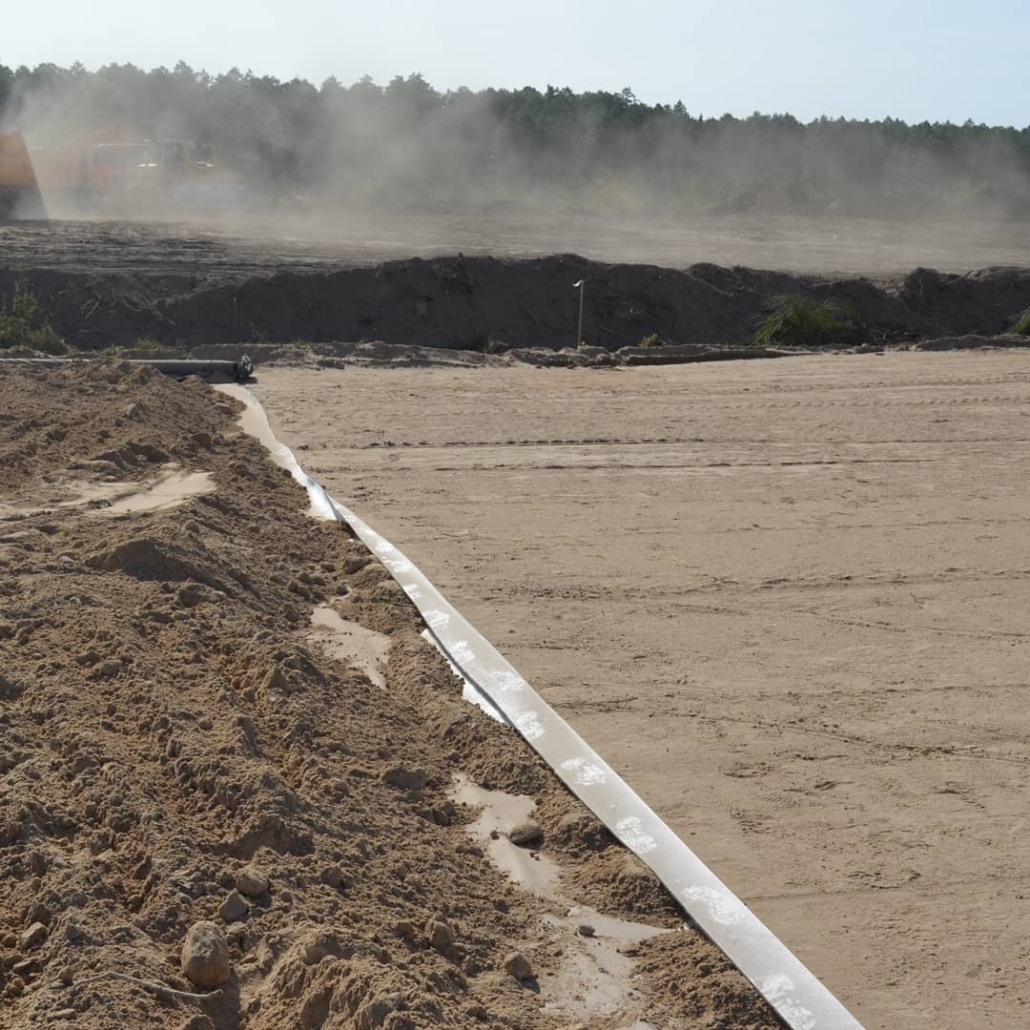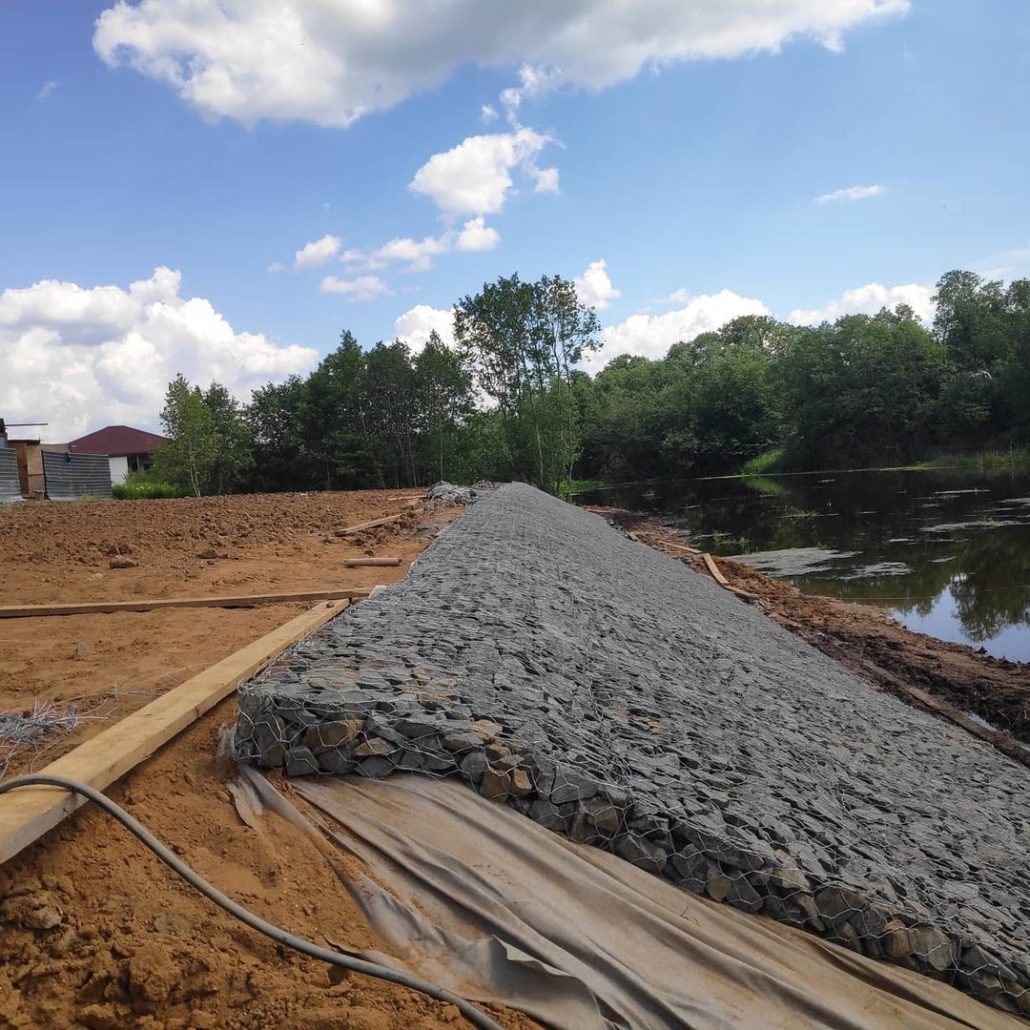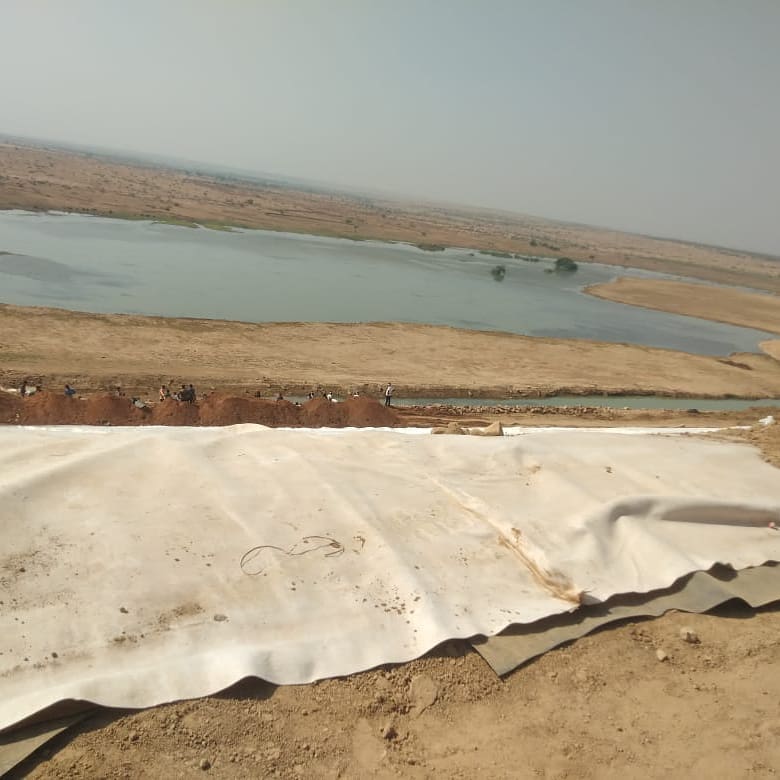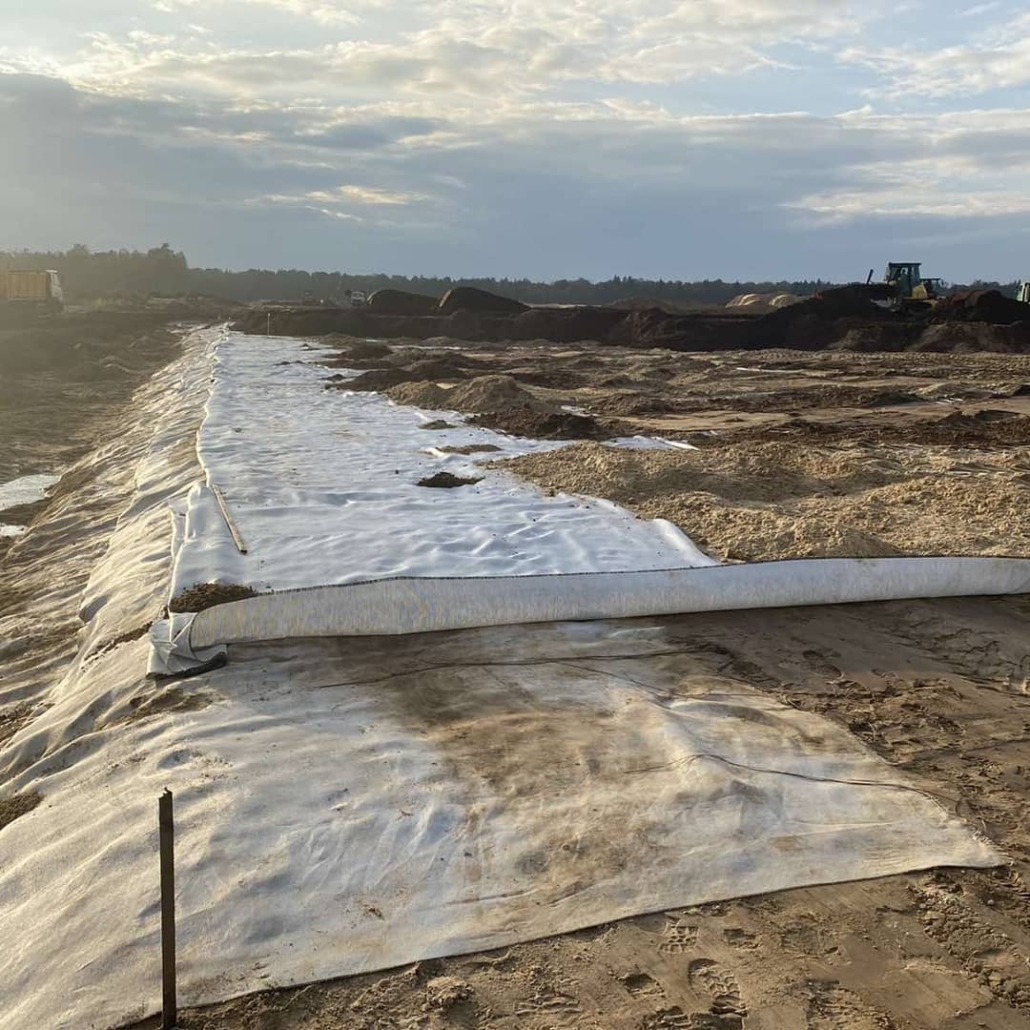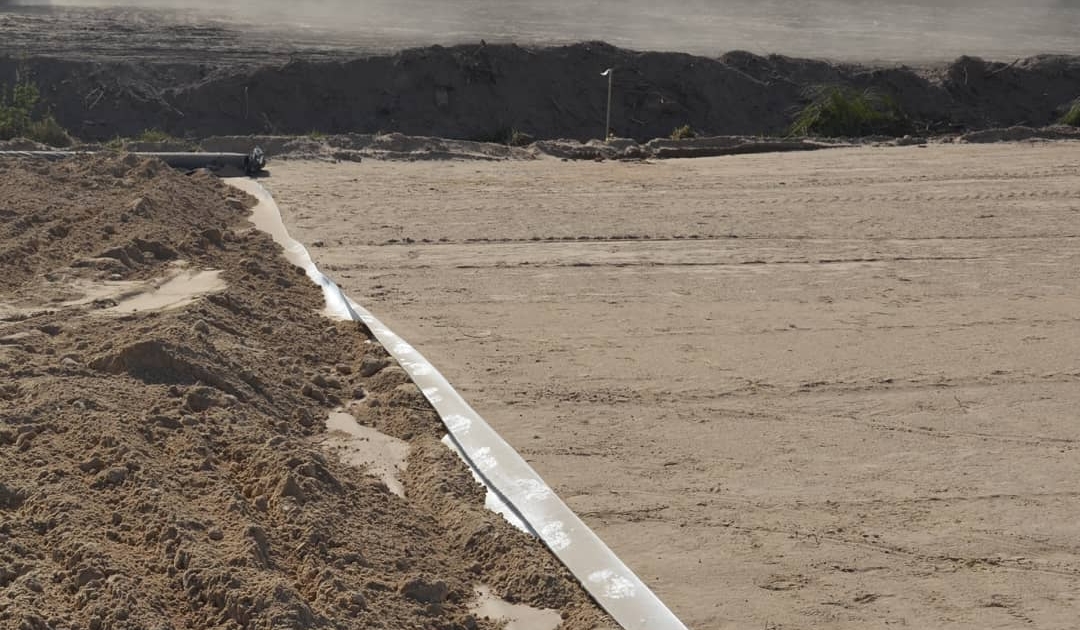
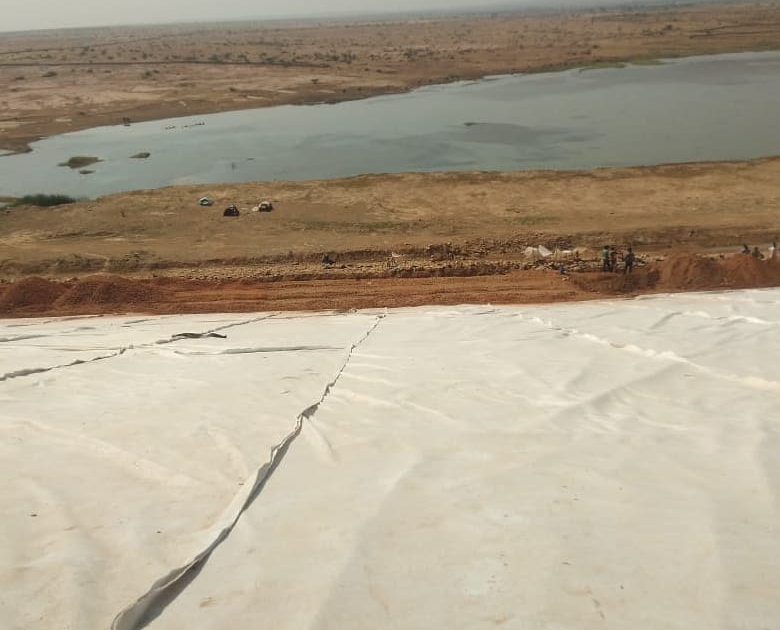
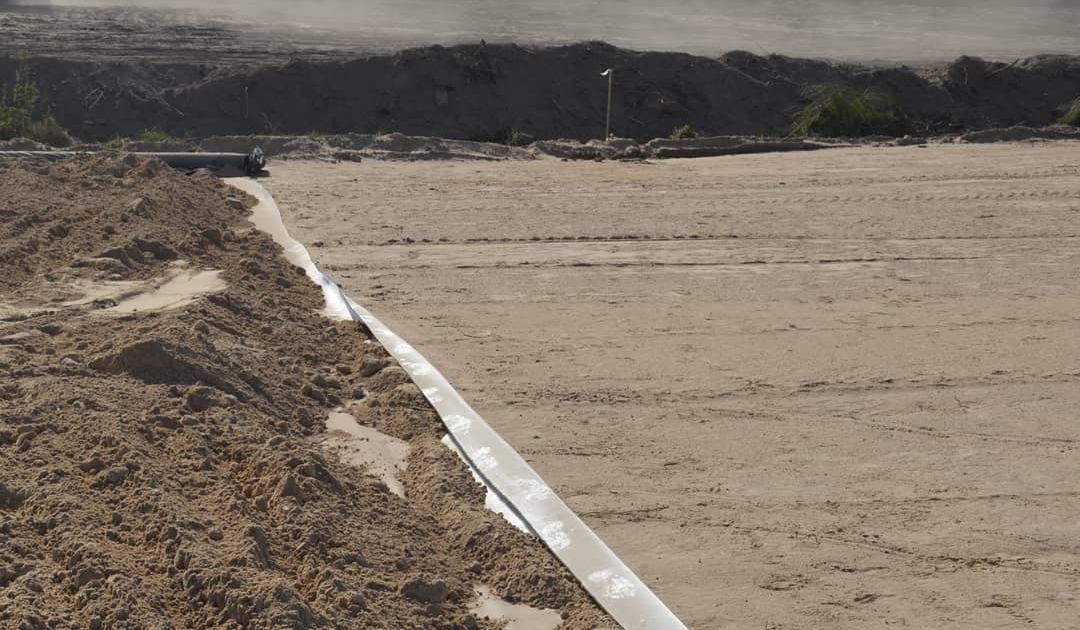
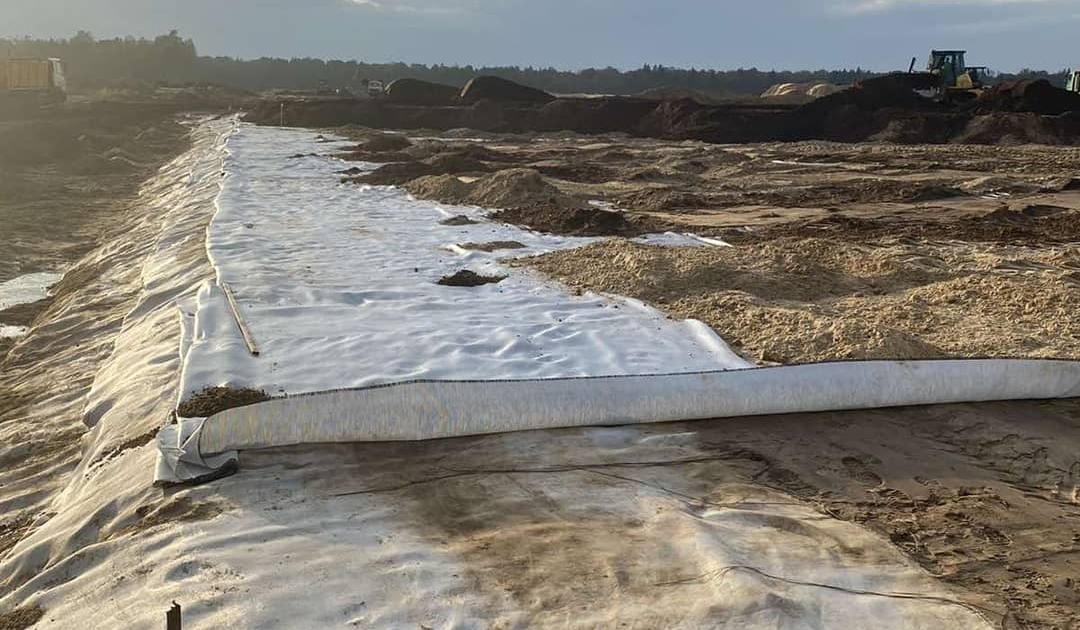
In almost any construction project, working on weak or variable ground usually presents considerable challenges for soil stabilisation. But Dson Industries’ technology and know-how in ground stabilisation not only improves performance, but is proven to reduce costs and environmental impact of subgrade improvement too. The Geosynethetics Materials we use are near uniform 360 degrees tensile stiffness for optimum performance, are designed to provide effective confinement of the granular fill. This results in a stiff mechanically stabilised layer, capable of controlling differential settlement, reducing road fill depths, capping weak deposits and increasing bearing capacity.
Benefits
By using Geosynthetics material ground stabilisation of the granular foundation layers, Dson Industries Technology can really benefit your project:
- Reducing layer thickness: capping and sub-base layers can be reduced by up to 50% with no performance loss, saving on materials and excavation
- Reducing construction carbon emissions: by up to 50%
- Increasing life: a mechanically stabilised layer incorporating geogrids can extend service life of unpaved roads by a factor of three or more, reducing long-term maintenance costs by up to 50%
- Increasing bearing capacity:the load spreading capability of a mechanically stabilised layer incorporating Tripple Ax geogrid can increase the bearing capacity of working platforms for heavy duty tracked plant such as cranes and piling rigs
- Controlling differential settlement: over highly variable ground conditions, soil stabilisation using Tripple Ax geogrids can help even-out variable ground support from a foundation soil
- Capping weak deposits:Dson Industries Tripple Ax geogrids promote the safe placement and installation of cover layers of soil in the capping of sludge lagoons and industrial waste deposits
- Spanning voids: a stiffened raft can be constructed, using Dson Industries biaxial geogrids, to span underlying voids that may develop in, for example, mining areas or those prone to dissolution features. This short-term application will highlight the presence of void formation prior to their permanent treatment
The stability of mass gravity retaining walls relies upon
the structural integrity of the units, and their filled mass,
to support or contain unstable earth slopes. In order to
select the optimum retaining wall solution, key
considerations include:
• The geotechnical parameters of the retained and
foundation soils
• The presence of water and hydrostatic loads
• External loads from structures and live or seismic loads
• The simplicity and speed of construction